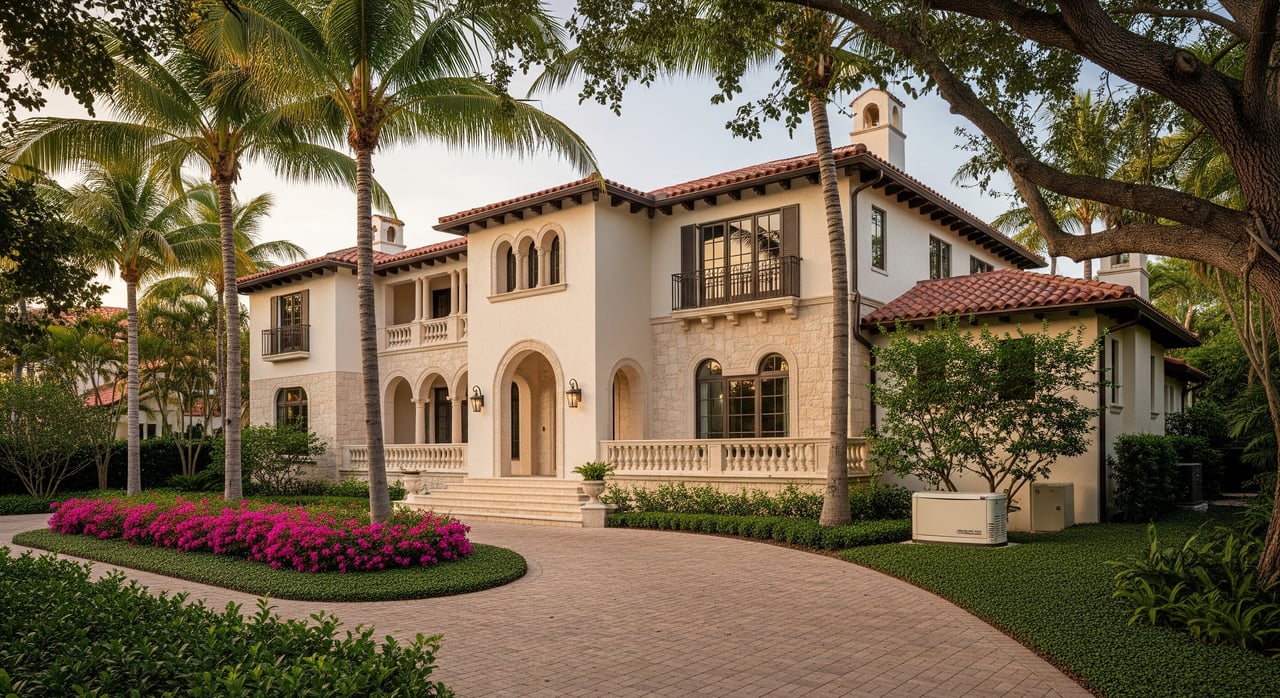
If talk of Risk Rating 2.0 and new flood maps has you wondering what it means for your Miami home, you are not alone. Between updated FEMA maps and a new way of pricing flood insurance, many Coral Gables and Miami-Dade owners are seeing changes. The good news is you can take clear steps now to protect your home, manage premiums, and plan upgrades that add resilience and value. Here is a simple, local action plan to guide you. Let’s dive in.
Risk Rating 2.0 in plain English
FEMA’s Risk Rating 2.0 sets flood insurance premiums using property-specific factors instead of relying mainly on flood zone letters. It looks at things like distance to water, multiple flood types, first-floor height, replacement cost, and claims history. New policies started using RR2.0 on October 1, 2021, with all policies subject to it at renewal on or after April 1, 2022. Existing policyholders are generally protected by annual increase caps, so ask your agent how those apply to you based on FEMA’s transition timeline.
What this means for you in Miami: two homes on the same street can have very different premiums. An accurate elevation certificate and replacement-cost estimate can improve pricing, and clear photos of utilities and enclosures help your agent rate correctly. If you plan to buy or sell, check the current policy and renewal date because a lapse or a new policy can trigger full RR2.0 pricing immediately.
Map updates in Miami-Dade
Recent updates added many Miami-Dade properties into Special Flood Hazard Areas. Regional reporting in 2024 highlighted tens of thousands of additional parcels affected countywide as new maps took shape. Do not assume your past zone still applies.
Start by checking your address using the county’s resources. Miami-Dade’s Flood Zone FAQs explain how to verify your current status and who to contact with questions on the county site. Coral Gables also provides local guidance on flood protection, insurance basics, and permitting so you can align projects with city requirements on the city’s flood protection page.
CRS discounts and timing
Communities that go beyond minimum standards can earn Community Rating System discounts that lower NFIP premiums. The discount depends on each community’s CRS class and can change over time. Before you budget a percentage, confirm the current class and effective date on FEMA’s CRS program page. If you live in Coral Gables versus an unincorporated area, ask your agent which community class applies to your address.
Your owner action plan
Immediate steps
- Start with your policy date. Pull your policy, note the renewal date, and ask your agent how RR2.0 and any annual caps apply at your next renewal. The implementation timelines matter for pricing, so confirm now using FEMA’s transition guidance.
- Gather documents that affect rating. Locate any elevation certificate and past LOMA/LOMR decisions. If you do not have an EC, learn what it is and when it helps on FloodSmart’s EC guide.
- Shop smart, not just fast. Get multiple quotes from both NFIP and private flood markets and ask for the rating drivers. Request the first-floor height used, distance-to-water assumptions, and replacement cost inputs so you can target fixes that move the needle.
Next 1 to 12 months
- Update or obtain an elevation certificate. If your home is in or near a Special Flood Hazard Area or maps recently changed, commission an EC from a licensed surveyor. It can support better pricing or a map change request.
- Consider a LOMA or LOMR. If your survey shows the building is above the base flood elevation, ask a surveyor about submitting through FEMA’s online tools using the LOMC FAQ. A successful determination can remove a lender requirement and improve rating.
- Make low-cost, high-value mitigation upgrades. Move utilities higher, add a backflow valve or sump pump if appropriate, use flood-resistant materials in lower areas, and install or certify flood openings where required. FEMA’s Homeowner’s Guide to Retrofitting outlines these options and their effectiveness in P-312.
Big projects to evaluate
- Elevate or dry floodproof where feasible. Elevation and elevating utilities provide the largest exposure reduction and can lower the premium components tied to first-floor height. Get multiple contractor bids and weigh long-term savings alongside project costs.
- Coordinate on neighborhood solutions. Stormwater upgrades, pump stations, and seawall improvements are typically led by the city or county and may improve community CRS scores. Join your neighborhood association and stay engaged with Miami-Dade and Coral Gables resilience updates.
Paying for mitigation
Look into grants and cost-share programs. FEMA’s Hazard Mitigation Assistance programs describe how Flood Mitigation Assistance, HMGP, and other funding may support projects, typically through local applicants rather than individual homeowners on FEMA’s HMA guidance. Program windows and rules can change, so start early with your city or county contacts.
Also track the insurance market. Analyses show many Florida properties have seen higher median premiums under RR2.0, while others decreased, and private-market flood options continue to expand in the state according to University of Florida research. Compare both NFIP and private quotes and revisit after you complete mitigation, since new documentation can adjust your pricing.
Work with a trusted local advisor
Your flood risk and premium are now shaped by the specific details of your property, not just your map letter. A focused plan helps you protect your home’s value, reduce surprises during a sale, and make smart upgrades that pay back over time. If you want a clear next step, let’s review your home, timing, and goals together. For a tailored plan and a market strategy that fits your lifestyle, contact Jane Morales.
FAQs
What is Risk Rating 2.0 for Miami homeowners?
- It is FEMA’s property-specific method for pricing NFIP flood insurance that considers factors like elevation, distance to water, and replacement cost, with all policies rated under RR2.0 at renewal after April 2022.
How do I check my Miami-Dade flood zone today?
- Use the county’s flood zone tools and FAQs to verify your address, then speak with your lender and insurance agent to confirm requirements and options.
Will my premium spike at renewal under RR2.0?
- Existing policies generally have annual increase caps, but new policies or lapses can move to full risk pricing right away, so confirm your renewal date and plan ahead with your agent.
Do I need flood insurance if I am not in a high-risk zone?
- Lender rules vary, and floods can occur outside Special Flood Hazard Areas, so it is smart to compare quotes and decide based on your property’s exposure and risk tolerance.
What steps can lower my flood premium in Coral Gables?
- Provide an accurate elevation certificate, verify replacement-cost assumptions, elevate utilities, add required flood openings, and document upgrades so your insurer can reflect them in pricing.
